Following a year of dialogue on the future of artificial intelligence in Europe, AI NoES Horizons and Beyond reaches its fifth and final session to tackle one of the major challenges of today: translating European AI policies and principles into reliable, real-world solutions.
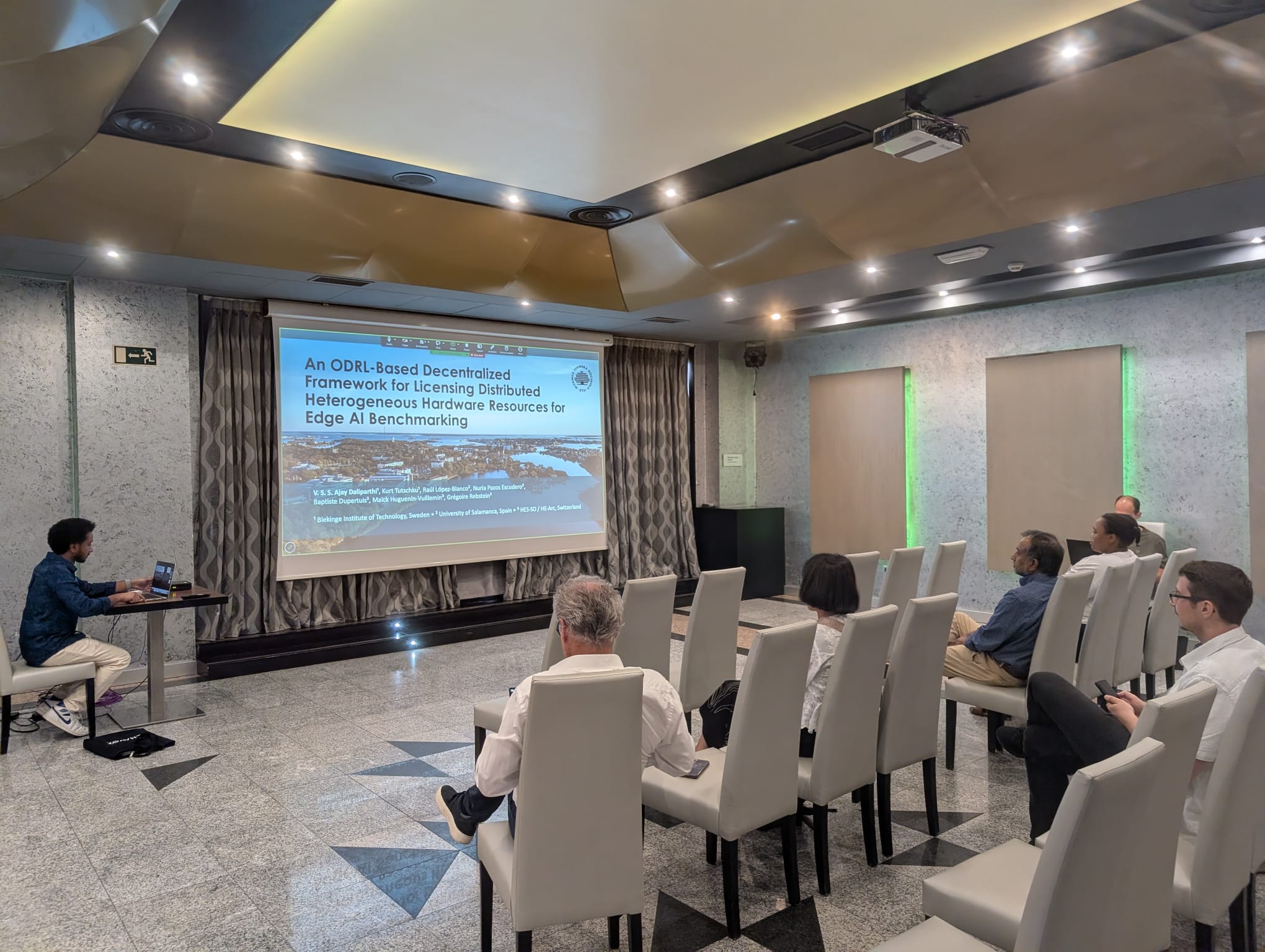
Artificial intelligence can be remarkably powerful, but putting that intelligence into a small, resource-constrained device is a very different challenge.
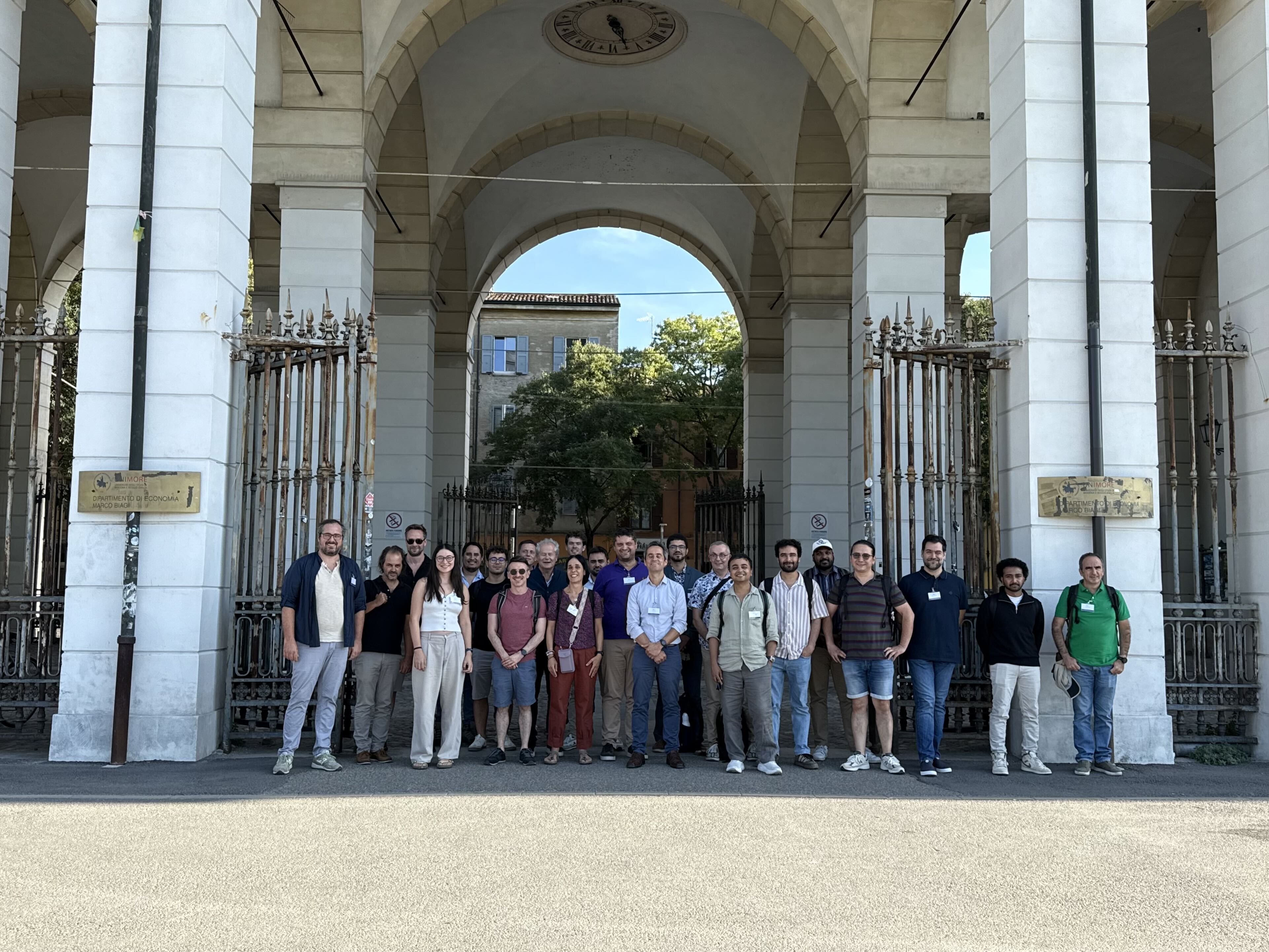
We came together in Modena, Italy, for our 6th and final General Assembly, bringing our consortium together once again to review our latest achievements, discuss our progress and prepare for the final steps of the dAIEDGE journey.
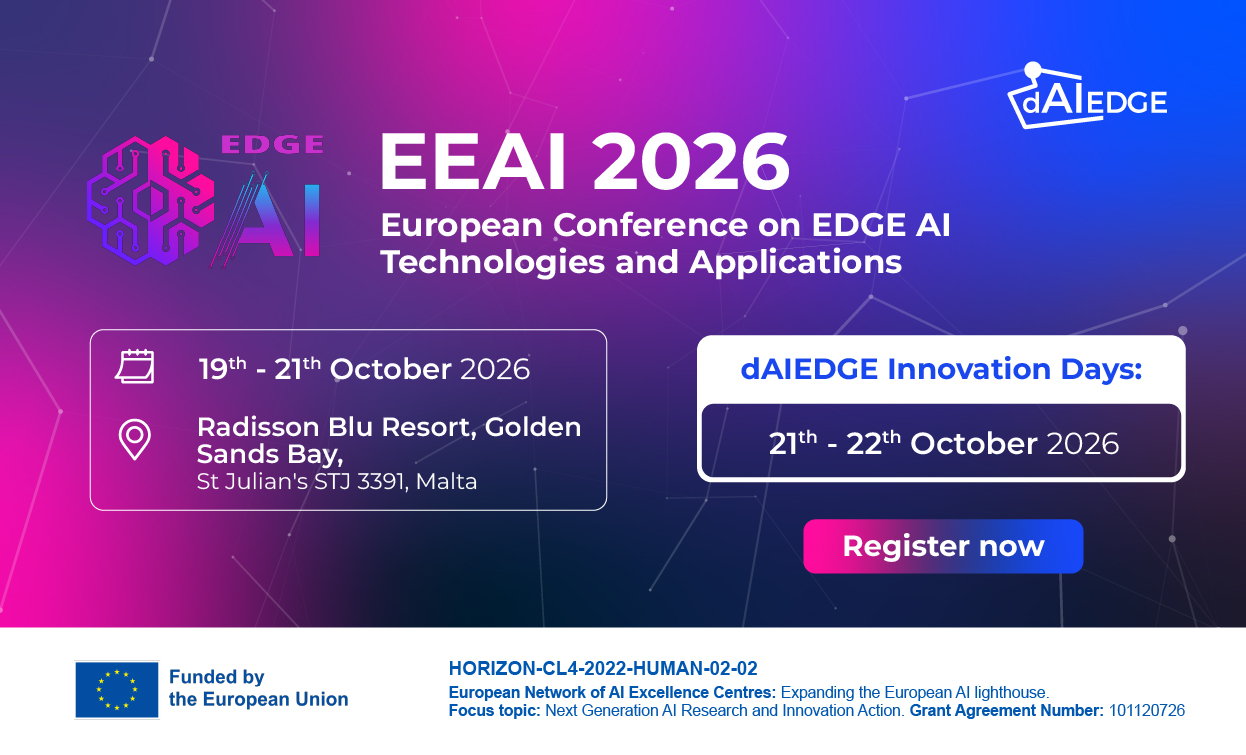
For the past three years, we have brought together researchers, innovators, SMEs and industry partners from across Europe with a shared ambition: to advance the next generation of AI at the Edge.
The future of AI is increasingly moving beyond the cloud, towards distributed environments where data can be processed closer to where it is generated.
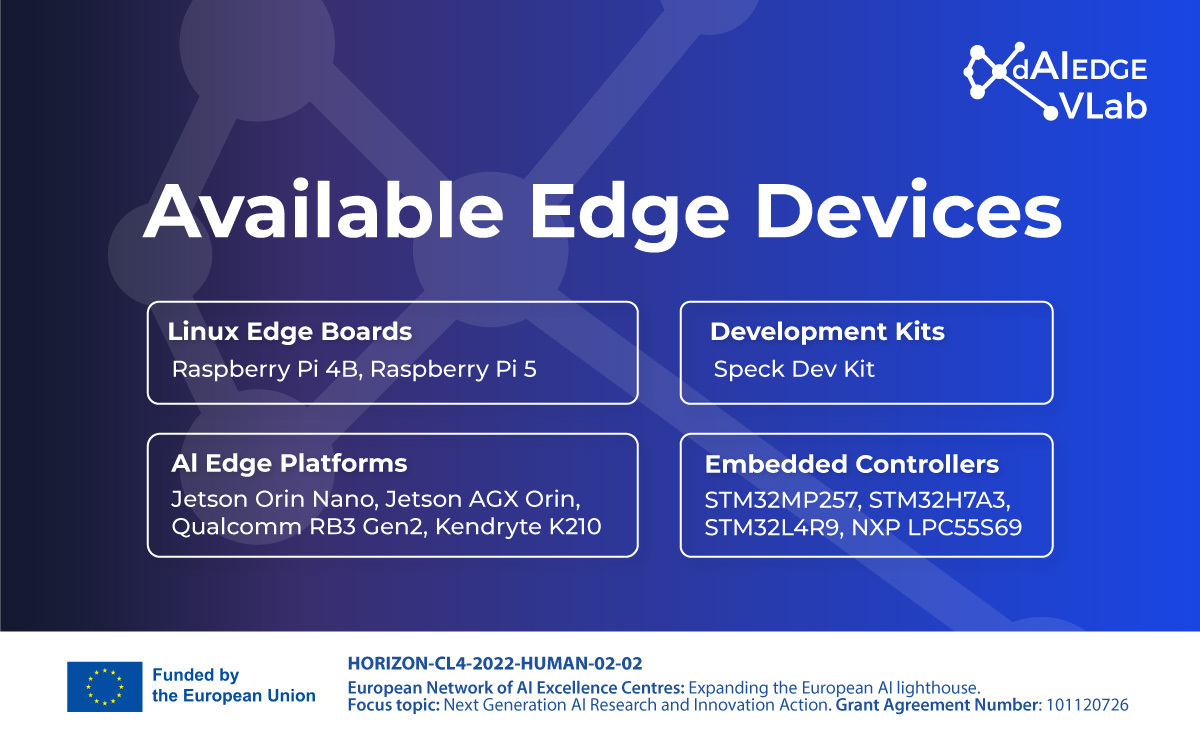
With the aim of facilitating access to these technologies, the dAIEDGE-VLab brings together a catalogue of hardware platforms that allows researchers, developers, businesses and students to experiment with different Edge AI architectures without needing to physically possess the devices.
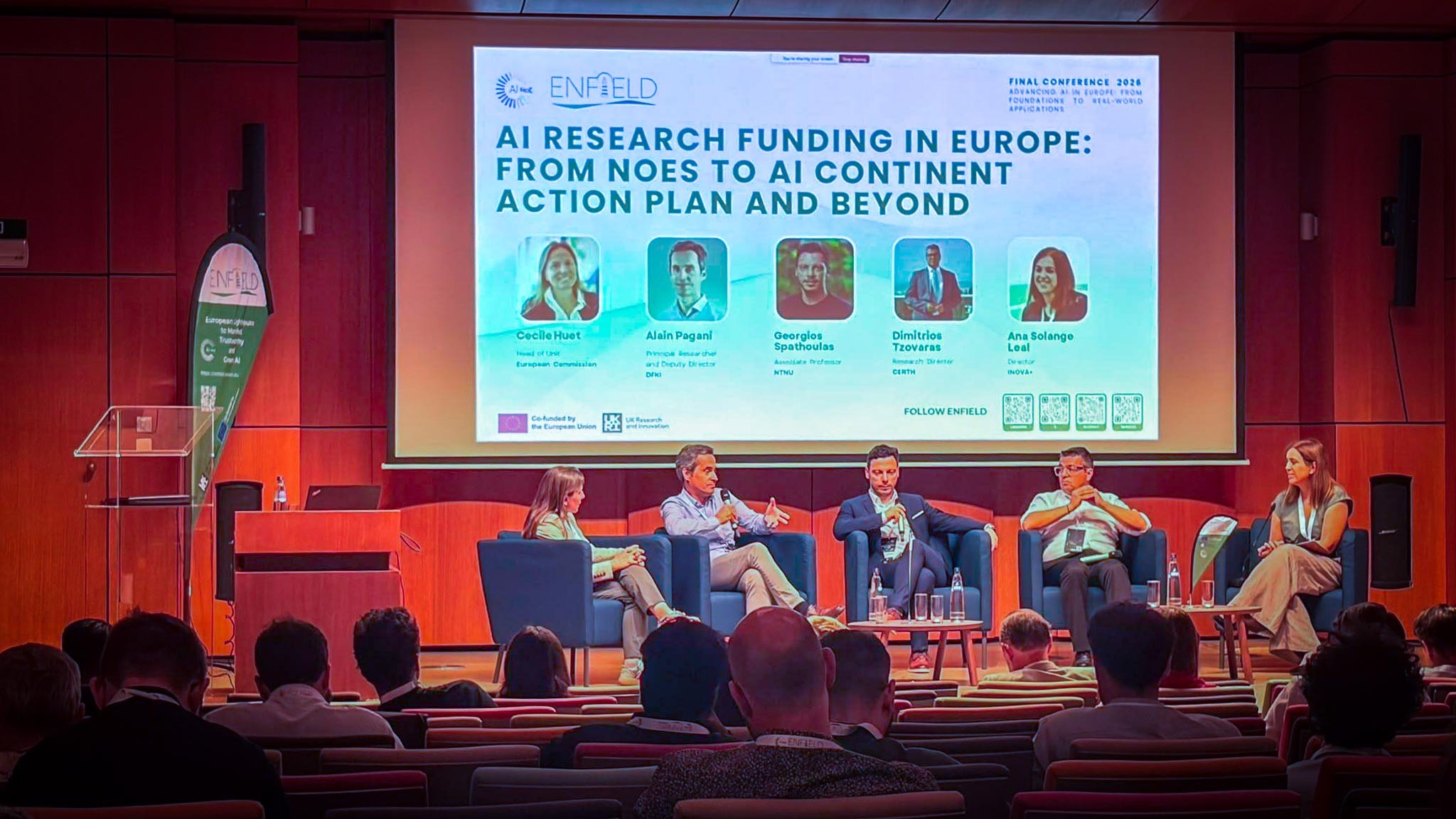
The Horizon ENFIELD Final Conference brought together researchers, policymakers, industry leaders and European AI initiatives to discuss the future of artificial intelligence in Europe and its transition from research excellence to real-world deployment.
Before installing thousands of sensors across a city, what if planners could already know their impact? That question lies at the heart of DARIUS, the project led by Despina Elisabeth Filippidou, winner of the Third Open Call of dAIEDGE.